

Services
About My Clients
I am dedicated to supporting queer individuals, particularly those navigating anxiety, depression, suicidal ideation, and self-harm behaviors. I aim to create a safe, affirming space for LGBTQIA+ clients and strive to be a therapist who aligns with their belief systems and understands their unique experiences.
My Background and Approach
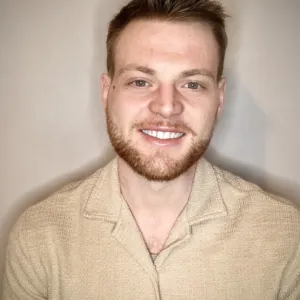
As a Master of Social Work intern beginning my journey in individual therapy, I bring a personal understanding of recovery and resilience, which deeply informs my therapeutic approach. My training in crisis intervention and motivational interviewing equips me to navigate challenging moments with clients, fostering a supportive environment where they can feel safe and valued. At the University of Michigan, I'm gaining comprehensive training in evidence-based interventions such as Dialectical Behavior Therapy (DBT) and Cognitive Behavioral Therapy (CBT), allowing me to tailor my practice to meet the unique needs of each individual. I believe in a collaborative, individualized approach that honors each client's experience and empowers them on their healing journey. In January 2025, I will expand my skill set with training in Eye Movement Desensitization and Reprocessing (EMDR), further enhancing my ability to support clients dealing with trauma. My goal is to create a therapeutic space
My Personal Beliefs and Interests
I firmly believe that many challenges individuals face stem more from societal expectations than personal or moral failings. As a queer, justice-impacted, mad/neurodivergent man and an active member of the LGBTQIA+ community, I’m passionate about advocating for inclusivity and understanding, particularly for BIPOC individuals. I prefer to use identity-first language, as it honors the lived experiences of those I work with. You can often find me volunteering at Pride events with the National Association of Social Workers (NASW), where I strive to uplift and support my community. This commitment informs my therapeutic approach, emphasizing empowerment, self-acceptance, and the importance of intersectionality in our healing journeys.