

Services
- Individual
- Group
About My Clients
I focus on supporting adults in managing the long-term impacts of trauma and adverse childhood experiences (ACEs), such as anxiety, depression, non-suicidal self-injury (NSSI), and suicidality, which includes suicidal thoughts, behaviors, and ideation. Based on both clinical training and personal experience, my approach is grounded in anti-oppressive practices and the belief that healing is possible through connection, creativity, and care.
My Background and Approach
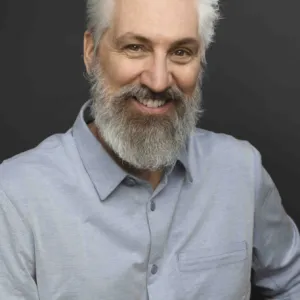
I have a diverse history of service that led me to psychotherapy, having been a medic, an Army infantry officer, an actor, and a social worker. After my military service, I faced challenges related to PTSD and the transition to civilian life, which inspired me to explore therapeutic practices that integrate body awareness with psychological healing. Over the last three decades, I have studied and continue to investigate various modalities to develop a unique approach that emphasizes the connection between the mind and body. This journey has established me as a prominent figure in psychotherapy, particularly recognized for my innovative embodiment approach. My work focuses on using embodiment techniques to help individuals regulate during challenging times, enabling them to process trauma and emotional pain. I create a safe environment for clients to share their narratives, empowering them to reclaim their lives and find healing through embodied experiences.
My Personal Beliefs and Interests
I believe survivors of trauma, childhood neglect, and maltreatment are extraordinary and creative, possessing an incredible capacity to heal. Additionally, as a social worker, I recognize the importance of serving as an agent for change that promotes anti-oppressive practices. In therapy, I maintain a person-centered approach. You are the expert in your own life, and I am here to support you as you navigate the challenges of your world. Using evidence-based frameworks, I collaborate with you to uncover your values, build on your strengths, develop “routines of recovery” for difficult times, and strive to live a more meaningful and fulfilling life.