

Services
- Individual
- Couples
- Group
About My Clients
My clients are often thoughtful people who've done individual therapy and still want more — they find themselves repeating the same relational patterns, holding back in ways they can't quite name, or longing for connection that feels more honest than what they've had. Many are curious about group therapy but unsure what to expect. If you've ever wondered what it might be like to be truly seen by a room of people who aren't afraid to be honest with you, you may be a good fit for my groups.
My Background and Approach
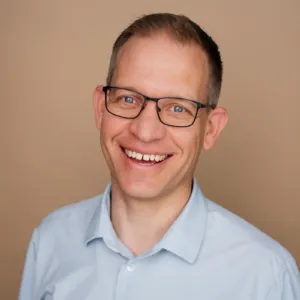
I hold a PhD in Counselor Education and am a Certified Group Psychotherapist (CGP) through AGPA, currently in advanced training at the Center for Group Studies in New York. I direct Utah Group Therapy Center and Bountiful Counseling, and teach graduate-level group counseling as adjunct faculty at UVU and the University of Utah. My approach draws on modern group analysis — a relational, here-and-now way of working that treats the group itself as the primary tool for change. You get to practice new ways of relating in real time, with real people, and real feedback. It's not about finding out "what's allowed here" — it's about discovering that more is allowed than you thought. For clients, this means therapy that goes beyond insight to lived experience: you don't just understand your patterns, you begin to change them in the room. This attachment-informed lens is just as useful for family conflict as it is for group.
My Personal Beliefs and Interests
I actively support LGBTQIA+ clients and welcome people of all faiths and none, and I don't shy away from grief, loss, or the spiritual questions that often surface alongside them. I try to notice my own discomfort when racial or diversity-related dynamics — enactments, transferences, resistances — surface in the group, rather than lean out of them. I believe that openness to and respect for both visible and invisible differences is what makes a group a genuine place to learn, belong, and matter to others. In my groups, people talk about the things that are often left unsaid elsewhere — drugs, sex, love, anger — and are asked to put their thoughts and feelings into words, especially toward each other and toward me as the leader. This is where the real work happens: buried or unaccepted parts of ourselves get identified, resistances to intimacy and healthy aggression get named, and people move toward genuine individuation, connection, and growth.