

Services
About My Clients
If you live with a physical disability or chronic illness, you may feel deeply alone in ways that are hard to explain. You might feel misunderstood by doctors, friends, family, or even previous therapists, expected to “push through,” stay positive, or minimize how much these experiences shape your daily life. Many come to therapy feeling isolated, grieving changes in their health or identity, and exhausted from having to advocate for themselves. Therapy is a space to create healing.
My Background and Approach
My therapeutic approach is rooted in psychodynamic theory and practice. Our work focuses on understanding how emotional experience, the body, and relationships shape one another. We explore grief, anger, fear, identity shifts, and the loneliness that can come with living in a body that doesn’t always cooperate, while also examining relational patterns and unconscious processes that influence how you move through the world. Therapy is not only about feeling understood, but about creating space for change, integration, and new ways of relating to yourself and others. At its core, the work aims to strengthen a more grounded and coherent sense of self, while allowing room for resilience, humor, and connection to emerge.
My Personal Beliefs and Interests
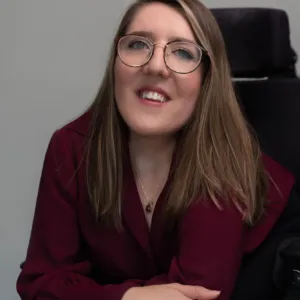
Having a physical disability myself, my worldview is rooted in a commitment to social justice and an awareness of how lived experience is shaped by access, environment, and systems of power. I believe that people’s lives are shaped by systems of power and inequality, and that these contexts matter deeply in understanding distress and wellbeing. I value social justice, inclusion, and efforts to reduce structural barriers that impact people’s lives.