

Services
- Individual
About My Clients
You're more anxious than you used to be, and you can't point to why. You wake at 3 a.m. with your heart pounding. The ways you've always coped are no longer working. I work with adults experiencing anxiety, trauma, and life transitions. A significant part of my practice is women in perimenopause and after, when emotional symptoms get treated as psychological without considering what the body is doing.
My Background and Approach
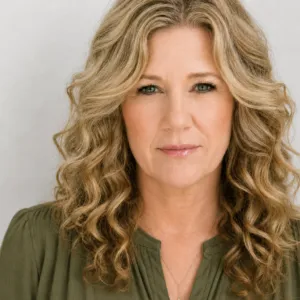
I hold an M.A. in Clinical Mental Health Counseling and a postgraduate certificate in trauma-informed practice from NYU. I'm EMDR-trained, work somatically, and practice from an existential frame. I'm also a National Board Certified Health and Wellness Coach with advanced training in women's physiology, and the author of Menopause Is Not a Mood. I don't separate the psychological from the physiological. Anxiety, disrupted sleep, and emotional reactivity often connect to hormonal change, and treating them as purely psychological misses what is driving them. When something needs a medical workup, I coordinate with your providers rather than working around them. In session I'm direct and collaborative. We identify what is driving the distress, including patterns shaped by trauma, relationships, and physiological change. From there we build more emotional capacity and more choice in how you respond. You know your life better than I do. My work is helping you recognize the patterns.
My Personal Beliefs and Interests
I believe people make sense in the context of what they have lived through. The patterns we call symptoms often began as intelligent adaptations to circumstances that required them. Therapy helps us understand what those patterns have been doing for you and whether they still belong in the life you are living now. Therapy should also lead somewhere. Insight can explain why a pattern exists, but understanding alone does not always change what happens when your nervous system takes over. The work has to increase your capacity to stay present, make choices, and respond differently. The body belongs in the mental health conversation. Trauma, chronic stress, disrupted sleep, and hormonal change affect how distress is experienced. Ignoring physiology can leave people blaming themselves for responses that have a biological context. This is especially true during the menopausal transition, which is why I wrote Menopause Is Not a Mood.