

Services
About My Clients
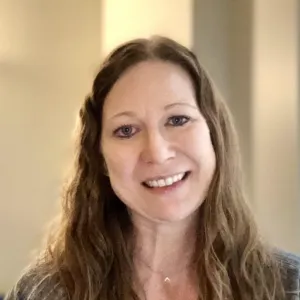
Lorna works with women and parents navigating the emotional complexities of pregnancy, postpartum, and parenthood. Her clients may be struggling with anxiety, overwhelm, grief, identity changes, relationship challenges, infertility, or the pressure to feel a certain way about becoming a parent. She also supports parents who are simply exhausted by trying to do it all. Therapy offers a place to slow down, make sense of what you’re experiencing, and feel more grounded in yourself and your role as
My Background and Approach
Lorna brings a thoughtful, grounded approach to therapy, with a particular focus on the emotional experience of pregnancy, postpartum, parenthood, grief, and major life transitions. She understands that these periods can bring complicated feelings that do not always fit neatly into the expectations we have for ourselves. Joy can coexist with anxiety, grief, resentment, uncertainty, or a sense of losing parts of who you once were. Her approach draws from ACT, CBT, and psychodynamic therapy, allowing her to work both with the challenges you are facing today and with the deeper patterns that may shape how you understand yourself and relate to others. She helps clients slow down, make sense of what they are experiencing, and develop greater awareness of the thoughts, emotions, and relationships influencing their lives. Lorna’s work is individualized and collaborative, balancing practical tools with deeper exploration. Her goal is not simply to help you cope, but to help you better unders
My Personal Beliefs and Interests
I believe therapy should be a place where you can be honest about what your life actually feels like, not just what you think it is supposed to feel like. Parenthood, relationships, grief, and major life transitions can bring emotions that are complicated, contradictory, and sometimes difficult to understand. I believe there is value in making space for all of them without judgment. I believe people are shaped by their experiences, relationships, and the stories they have learned about themselves, but those patterns do not have to define the rest of their lives. Understanding where our thoughts, emotions, and behaviors come from can create new possibilities for how we respond and who we become. I also believe that meaningful change does not require becoming a completely different person. Often, it means developing a deeper understanding of yourself, becoming more accepting of your own complexity, and finding the freedom to make choices that feel more aligned with who you are and what