

Services
About My Clients
In a culture that prioritizes work over play, restriction over abundance, and productivity over stillness, many of us struggle to relax into our most comfortable selves. I help adults, couples, and teens struggling with anxiety, depression, relationship difficulties, low self-esteem, and the lasting effects of childhood trauma. I have particular experience working with queer people, creatives, those navigating ecological grief, and individuals seeking healthier relationships with technology.
My Background and Approach
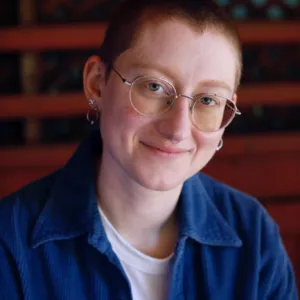
My approach to therapy draws from psychoanalytic, relational, and existential perspectives. My work is trauma-informed and rooted in queer liberation. My attitude toward my clients is one of empathy, curiosity, dedication, playfulness, and directness. My role is to support you in slowing down and staying with what’s difficult, while also helping you build the capacity to respond to yourself with more compassion, agency, honesty, and creativity. I believe a lot of our suffering comes from the behaviors we developed early on to protect us. Oftentimes, unconscious processes dictate how we act and relate in the world, and I want to help individuals and couples unearth and attend to overlooked parts of self. From this place, you may start to feel more authentic and at ease in yourself and your relationships.
My Personal Beliefs and Interests
My practice is informed by the Buddhist principles of mindfulness, compassion, impermanence, self-inquiry, and learning to meet life's joys and sorrows with greater presence and equanimity. Zen teacher Shunryu Suzuki wrote, “In the beginner’s mind there are many possibilities, but in the expert’s there are few.” I honor the wisdom of beginner’s mind in my work as a therapist, making no assumptions about your lived experience. I see each person as an endlessly unique, historical, and ever-evolving being. Before training as a psychotherapist, I received an MFA in Creative Writing from the University of Washington where I wrote, studied, and taught the art of poetry. Poetry and psychotherapy occupy a similar corner of my mind: one of symbolism, vulnerability, revelation, interwoven threads, metaphor, duality, reverence, and delicate attention. Coming to therapy is a radical act of both turning inward and turning towards another. I would be honored to walk that path with you.